food in freezer

How to Store Food and Keep It Fresher Longer

Ever open the fridge only to find your berries went mushy or last night’s leftovers already smell off? With the right bag and a few smart storage habits, you can help keep your food fresher for longer, so you waste less and save more.

Food storage guidelines and tips

Storing food the right way isn’t just about keeping things tasting fresh—it’s key to keeping your family safe and your grocery budget in check. Proper storage helps prevent spoilage and foodborne illness, so nothing goes to waste before you get the chance to enjoy it. Here’s what you need to know to store your food safely and keep it fresher, longer, with guidance informed by USDA/FDA food storage recommendations and other food safety experts.

Tips for food safety and storage

  • Always refrigerate perishable food within 2 hours (1 hour when the temperature is
  • above 90°F).
  • Use an appliance thermometer to check your fridge and freezer temps. Keep your fridge at 40°F or below and your freezer at 0°F or below to keep food safe and fresh.
  • It’s best not to wash your fruits and vegetables until you’re ready to eat or cook with them, as this can speed up spoilage.1
  • Store fruits and vegetables in a plastic bag poked with multiple holes to give them breathing room.1
  • Cook or freeze fresh poultry, fish, ground meats, and organ meats within 2 days. Other cuts like beef, veal, lamb, or pork should be cooked or frozen within 3 to 5 days.
  • Wrap perishable foods like meat and poultry securely. It keeps them fresher and stops juices from leaking onto other food in your fridge.
  • Wrap meat and poultry (still in its original packaging) with an extra layer of foil or freezer-safe plastic wrap for longer freezer storage. It helps lock in quality and prevent freezer burn.
Basic Food ItemsBest way to storeHow to keep fresh
Bread & Baked GoodsSealable, airtight bag in pantry or in a freezer bag in freezer
  • Use Hefty® gallon or jumbo (2.5-gallon) storage bags
  • Store at room temperature or in the freezer for longer storage
Fresh HerbsSealable bag in refrigerator, except basil (it doesn’t like cool temps)2
  • Use Hefty® XL sandwich or quart storage bags 
  • Store in the refrigerator for 1 to 2 weeks
  • Avoid freezing
Fresh VegetablesPlace unwashed vegetables in plastic bag with holes poked in it for airflow.
  • Use Hefty® quart, half-gallon, or gallon size bags 
  • Store in refrigerator in crisper drawer at 40°F 
  • Avoid refrigerating potatoes, onions, tomatoes, and winter squash
Fresh FruitPlace unwashed fruits in plastic bag with holes poked in it for airflow.1
  • Use Hefty® quart, half-gallon, or gallon size bags
  • Store in crisper drawer of refrigerator (separate from vegetables) at 40°F 
  • Avoid refrigerating whole melons; refrigerate after cut
Meat, Poultry & SeafoodThick, airtight freezer bag in refrigerator or freezer
  • Use Hefty® quart or gallon freezer bags
  • Store at 40°F or below
  • Refrigerate or freeze immediately
  • Ensure juices don’t drip on other foods
Cheese & DairyWrap hard cheese in parchment paper, then seal it in a bag and refrigerate.
  • Use Hefty® quart storage bags 
  • Store in main part of the fridge or in the crisper drawer 
  • Avoid freezing
Grains & LegumesSealable, airtight bag in the pantry
  • Use Hefty® quart or half-gallon storage bags 
  • Store in a cool, dark place about 50° to 70°F 
  • Avoid direct sun or heat
Baking & Pantry IngredientsSealable, airtight bag in the pantry
  • Use Hefty® quart, half-gallon, or gallon storage bags
  • Store at room temperature 
  • Avoid direct sun or heat
Cookies & SweetsSealable, airtight bag in pantry
  • Use Hefty® quart storage bags 
  • Store at room temperature
  • Remove as much air from the bag as possible
LeftoversThick, airtight bag in refrigerator or freezer
  • Use Hefty® quart, half-gallon, or gallon storage or freezer bags 
  • Store in refrigerator or freezer after fully cooled
Pet FoodSealable, airtight bag in pantry
  • Use Hefty® quart, gallon, or jumbo storage bags
  • Store dry food at room temperature, and refrigerate any opened canned food

Airtight storage and freezer bags

Sealing food in an airtight bag keeps out moisture and air, the two biggest culprits of spoilage, helping your food stay fresher longer. Freezer bags also help prevent freezer burn, preserving the taste and texture of your food. And by keeping foods separated and sealed, bags help prevent juices and odors from cross-contaminating other items in your fridge or freezer.

Benefits of food storage bags

Food storage bags make it easy to label what’s inside and when it was packed, so you always know what you’re grabbing and when to use it. They also help keep your pantry, fridge, and freezer neat and organized, with everything sorted, stacked, and easy to find.

Benefits of freezer bags

Freezer bags are built to handle the cold, helping keep your food tasting fresh instead of freezer-burned. Their thicker, sturdier material is also designed to help protect against punctures and tears, giving bulky or sharp-edged items an extra layer of defense in the freezer.

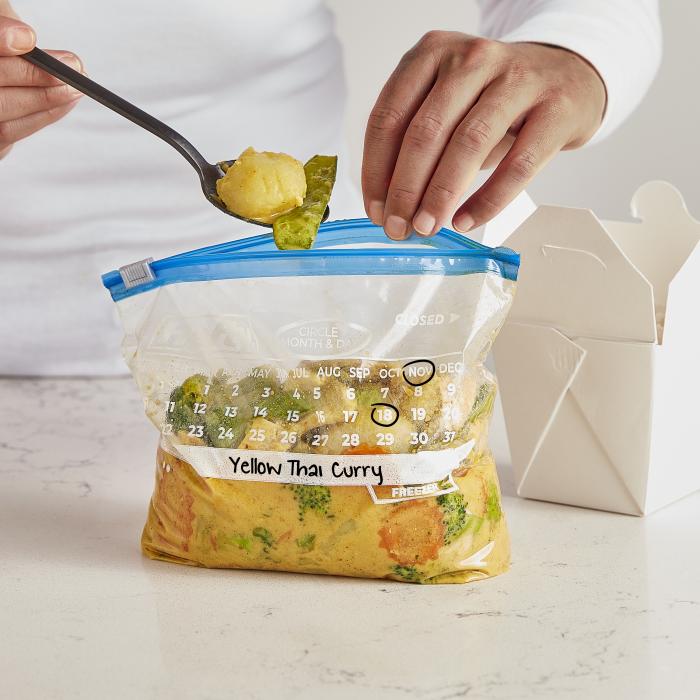
quart freezer bag with curry

Refrigerator storage

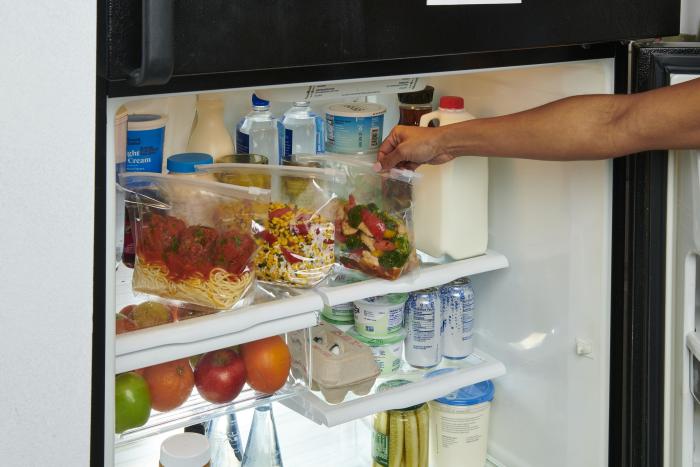
Your fridge is prime real estate, so it helps to be a little strategic with it. Keep everyday items like fresh produce, dairy, and leftovers where you’ll use them, and store them properly to help them stay fresher longer. A little organization goes a long way toward making the most of your space and cutting down on food waste.

Best practices and tips

A few simple tips can make your fridge work so much better for you.

  • Keep the temperature in your refrigerator between 35°F and 38°F3
  • Store fresh produce in the crisper drawers
  • Try not to overcrowd the shelves so air can circulate
  • Label bags and containers with sell-by or expiration dates. That way, you always know what’s fresh and what needs to be used up soon
food in fridge

Freezer storage

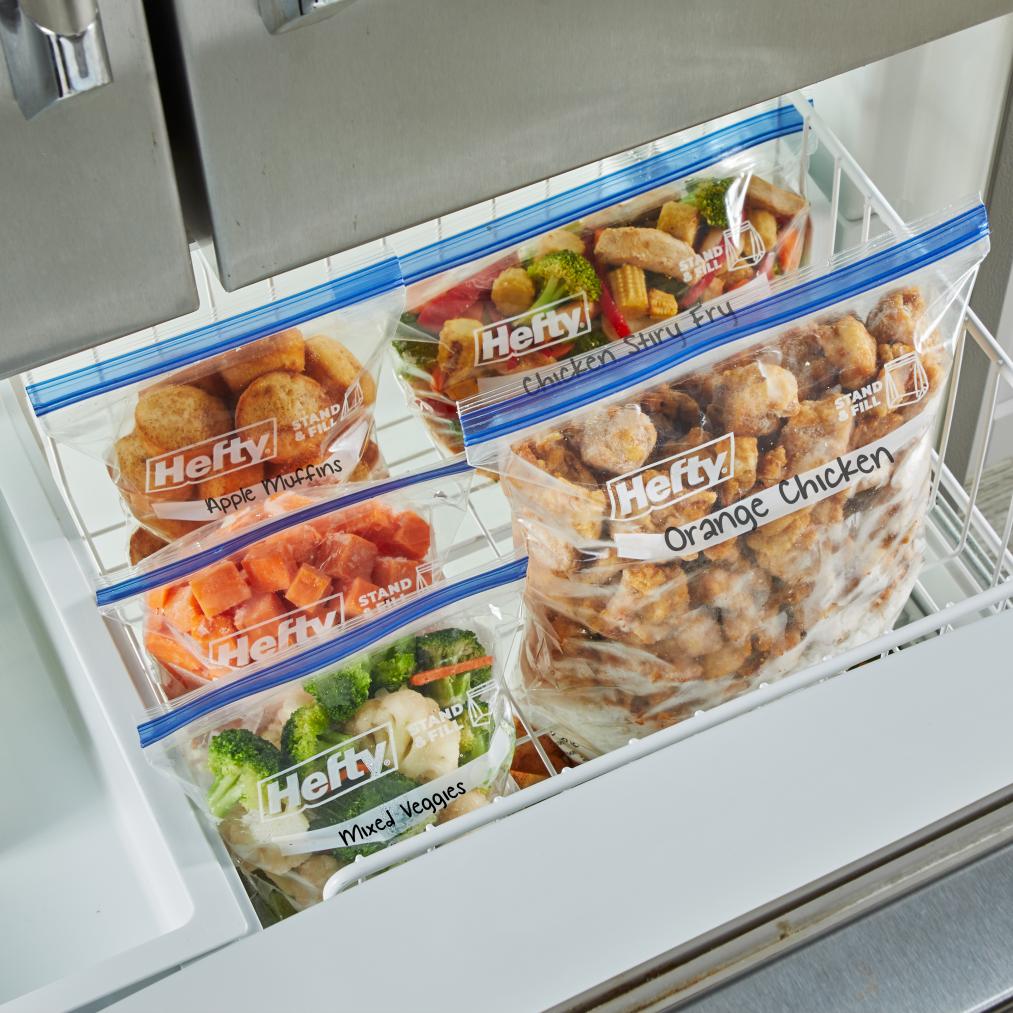
Your freezer is great for hitting pause on food before it goes to waste. Leftovers, meats, and even bread or baked goods can stay fresh for months when stored the right way, giving you a stash of ready-to-go meals whenever you need them. Just make sure everything’s sealed up well, since proper storage is what really makes the difference in keeping food tasting its best.

Best practices and tips

Following these best practices can make freezing foods a smooth and successful experience.

  • Keep the freezer below 0°F
  • To maximize airflow, don’t overcrowd the freezer · Use freezer paper to maximize freshness
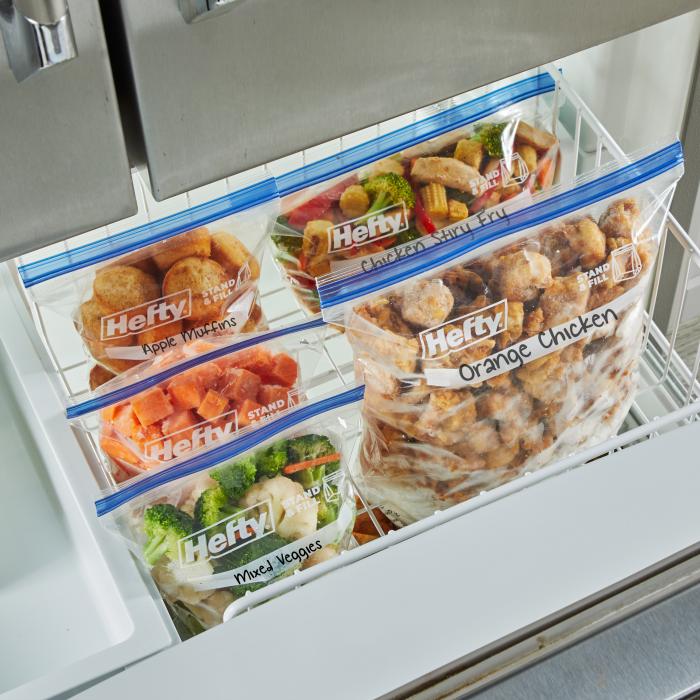
  • Use gallon and jumbo freezer bags to organize meals, similar items, or items by use-by date
  • Label freezer bags with packaging sell-by or expiration dates
food in freezer

Countertop and pantry storage

Dry goods like pasta, rice, cereal, and canned foods stay fresh longest in a cool, dark spot at room temperature, ideally between 65°F and 68°F. A well-organized pantry keeps these staples fresh and easy to grab whenever you need them.

Best practices and tips

Follow these pantry tips for keeping shelf-stable staples fresh and ready whenever you need them.

  • Keep potatoes, onions, and garlic bulbs in cool, dark spaces
  • Once produce reaches peak freshness, placing it in the fridge can keep it from ripening further for a few days, prolonging its freshness
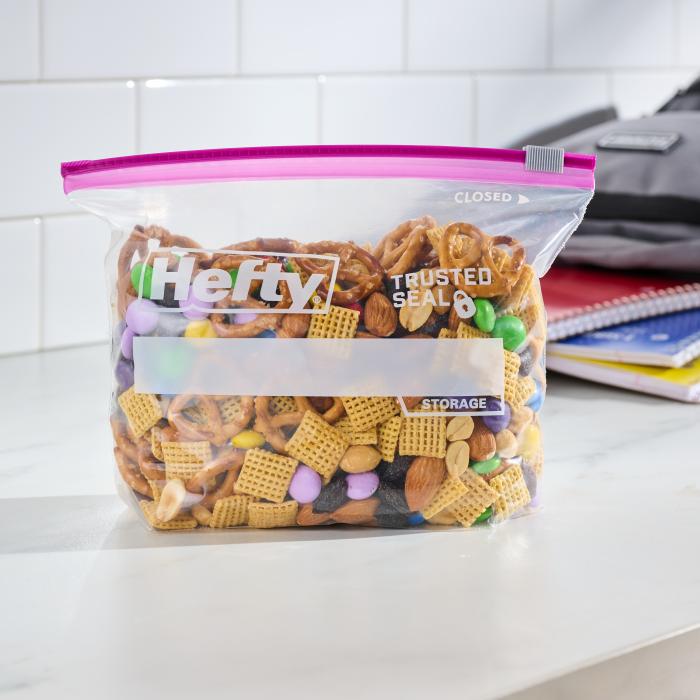
trail mix in storage bag

Bread and baked goods

Nothing beats the smell of fresh bread, and a little care goes a long way in keeping that just-baked taste around for longer. Whether they’re homemade or store-bought, bread and baked goods can be stored on the counter or in the freezer depending on how soon you’ll enjoy them. For the best short-term freshness, keep them in the pantry or on the counter in an airtight food storage bag that locks in moisture. Want to keep your bread around a little longer? Pop it in an airtight freezer storage bag and freeze it for up to a few months, then thaw and warm it up whenever you’re ready to enjoy it.

You’ll need: 

chocolate chip cookies

Fresh herbs

Fresh herbs can be a bit finicky, and how you store them makes a real difference in how long they last. Most leafy herbs do best refrigerated, since it helps them stay hydrated without wilting, while basil likes room temperature. Getting the right balance of moisture and temperature helps keep herbs vibrant and flavorful for as long as possible.

You’ll need: Hefty® Quart Food Storage Bag

Refrigerated herbs

Herbs like cilantro, parsley, mint, dill, rosemary, thyme, oregano, and sage stay freshest when refrigerated. Simply set them in a shallow cup of water and drape a plastic bag over the top to help lock in moisture, and they’ll stay fresh in the fridge for about 1 to 2 weeks. Basil is the one exception; it likes the same shallow cup of water and plastic bag treatment, just kept on the counter instead of in the fridge. Keep in mind these herbs are best fresh, so it’s better to avoid freezing them.

Fresh vegetables

Not all veggies like the same treatment. Some prefer a cool, dark hideaway, while others are perfectly happy at room temperature. Leafy greens, broccoli, carrots, and cucumbers do best in the fridge, where the cold helps keep them crisp. Others, like potatoes, onions, and garlic, prefer a cool, dark spot like a pantry, while tomatoes love it right on the countertop, since fridge temps can dull their flavor and texture.

You'll need:

stir fry veggies

Countertop vegetables

Some vegetables do better outside the fridge, since cold temps can mess with their flavor and texture or cause them to sprout too soon. Tomatoes, onions, garlic bulbs, potatoes, sweet potatoes, and winter squash like butternut, acorn, or spaghetti squash are all best stored on the counter or in a cool, dark pantry.

Refrigerated vegetables

Plenty of veggies count on that fridge chill to stay crisp and last longer. Cucumbers, leafy greens like lettuce, spinach, kale, and chard, and root vegetables like carrots, beets, radishes, and parsnips all do well refrigerated. The same goes for asparagus, Brussels sprouts, broccoli, cauliflower, cabbage, green beans, peas, corn, mushrooms, and any prepared vegetables you’ve already cut or cooked.

Can you freeze vegetables?

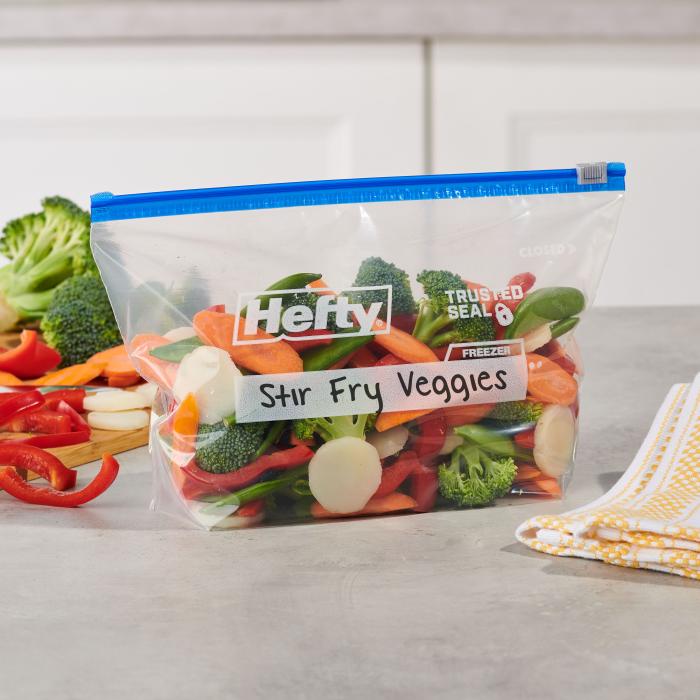
Yes, plenty of vegetables can be frozen—they just need a quick blanch first to help preserve their color, texture, and nutrients. Vegetables like green beans, broccoli, cauliflower, carrots, corn, peas, and winter squash all freeze well once blanched and cooled properly. A few, though, don’t hold up in the freezer; green onions, lettuce and other salad greens, radishes, and tomatoes tend to lose their texture and are better off stored short-term in the fridge instead.4

Fresh fruits

Did you know that not all fruits need to be stored in the fridge? Some taste better and stay fresher when left out on the counter. Fruits like bananas, avocados, peaches, and pears continue to ripen best at room temperature, so refrigerating them too soon can slow that process or affect their texture. Once they’re ripe, though, popping them in the fridge can help extend their freshness for a few extra days.

You’ll need:

A person sealing a Hefty gallon sized Press to Close bag filled with fruit salad

Countertop fruit

Some fruit likes room to breathe, so keep it well-ventilated on the counter until it reaches peak ripeness. Avocados (yes, they’re fruit!), apples, mangoes, peaches, pears, bananas, pineapples, melons, and citrus fruits like oranges, lemons, and limes all do best this way. Then a quick trip to the fridge once it’s ripe can help extend that peak freshness for a few extra days.


Refrigerated fruit

Some fruit prefers to stay cool from the start, holding onto its freshness best in the fridge. Cherries, berries like strawberries, blueberries, blackberries, and raspberries, grapes, and any prepared fruit all do best refrigerated to stay fresh longer.


Can you freeze fruit?

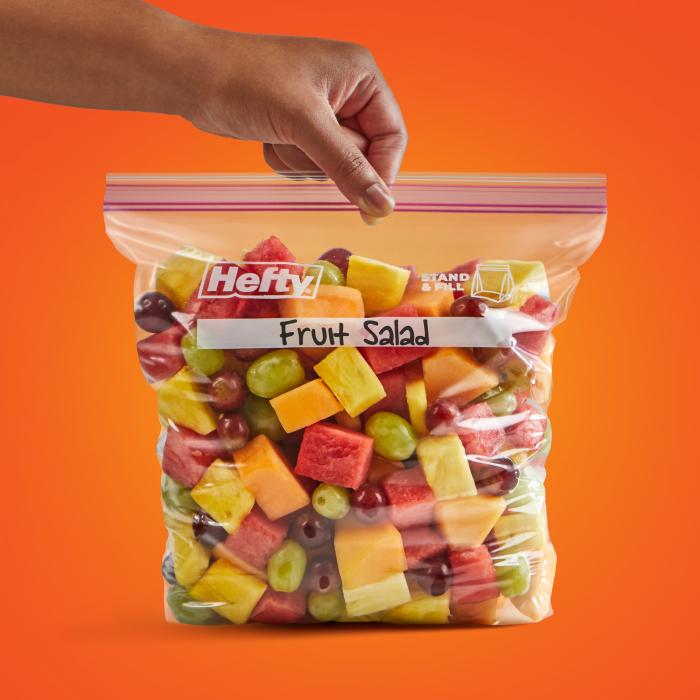
Yes, freezing fruit is a great way to extend its shelf life and enjoy it even when it’s out of season. Fresh fruit has a short shelf life because ripening enzymes change its texture and taste, so it’s best to freeze it in storage bags at peak ripeness, whether packed in sugar, syrup, or unsweetened. For the best quality, plan to use frozen fruit within 8 to 12 months, and be sure to label each package with the fruit and the freeze date.

Meat, poultry, and seafood

Meat, poultry, and seafood need a little extra care to stay safe and fresh. Be sure to get them into the fridge or freezer within 2 hours of purchase, or within just 1 hour if it’s a hot day above 90°F, since bacteria can grow quickly at room temperature. Storing them promptly helps lock in freshness and keep your family safe from foodborne illness.

You'll need:

veggie burgers

How to store fresh meat and seafood:

As soon as you’re home from the store, place meats and seafood into the coldest part of your fridge or freezer to keep them fresh and safe. Keep raw meats and seafood separate from cooked or ready-to-eat foods to avoid cross-contamination, and store them in airtight containers or storage bags on the bottom shelf, ideally on a plate or tray. Shrimp, squid, and shucked shellfish do well in a leak-proof bag, container, or covered jar, but live shellfish need to breathe, so skip the airtight seal and store them in a well-ventilated container covered with a damp cloth instead.6


How to freeze meat:

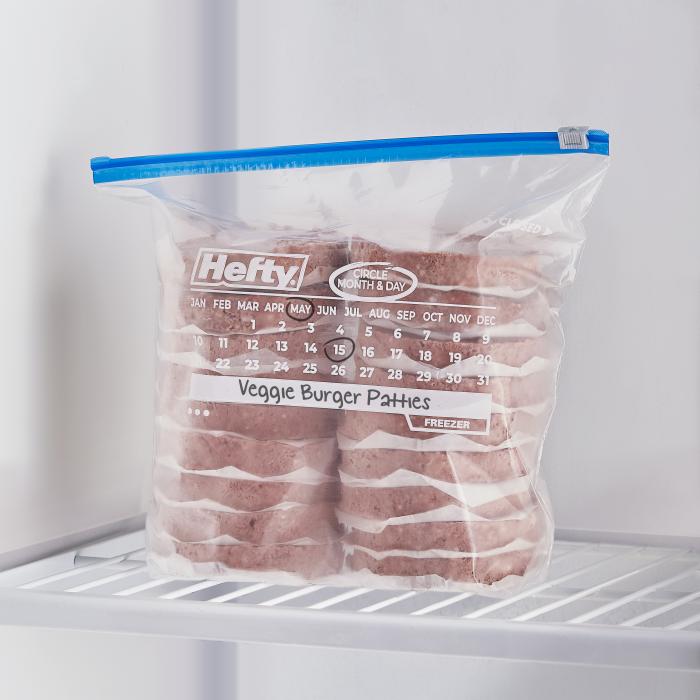
When it’s time to freeze meat, thick, airtight freezer bags are your best friend for keeping quality locked in. Portion it into about 1 to 3 servings per quart bag, and press out as much air as possible before sealing to help prevent freezer burn. Don’t forget to label each bag with the contents and date, then pop it in the freezer and you’re all set.

Tip:

Organize and label your frozen meat by meal, date, or meat type, using quart bags for individual portions and jumbo (2.5-gallon) bags for meal groupings.

Cheese and dairy

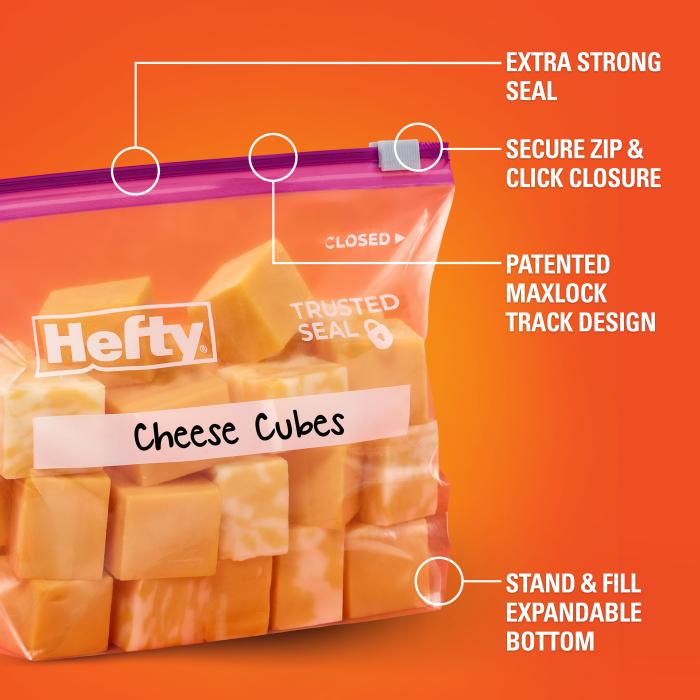
Cheese and dairy products love the coolest part of your fridge, so the back of a shelf or the crisper drawer tends to work best. Keeping them at a steady, cold temperature helps prevent spoilage and keeps flavors from turning. For semi-hard cheeses like cheddar, Parmesan, and Gouda, wrap them in parchment paper first, then seal in a plastic storage bag, which lets the cheese breathe a little while still staying fresh and protected. Soft cheeses like Brie, mozzarella, and cream cheese need a bit more moisture protection, so once opened, wrap them tightly in wax paper or plastic wrap before sealing in a container or storage bag, and try to use them within about a week.7

Can you freeze cheese?

Freezing cheese is possible, but it’s generally not recommended if you’re after the best flavor and texture. The freezing process can change cheese’s consistency, leaving it crumbly or grainy once thawed, especially for softer varieties. If you do need to freeze cheese, it’ will be better suited for cooking uses down the road rather than snacking or a cheese board.

You'll need:

cheese cubes

Grains and legumes

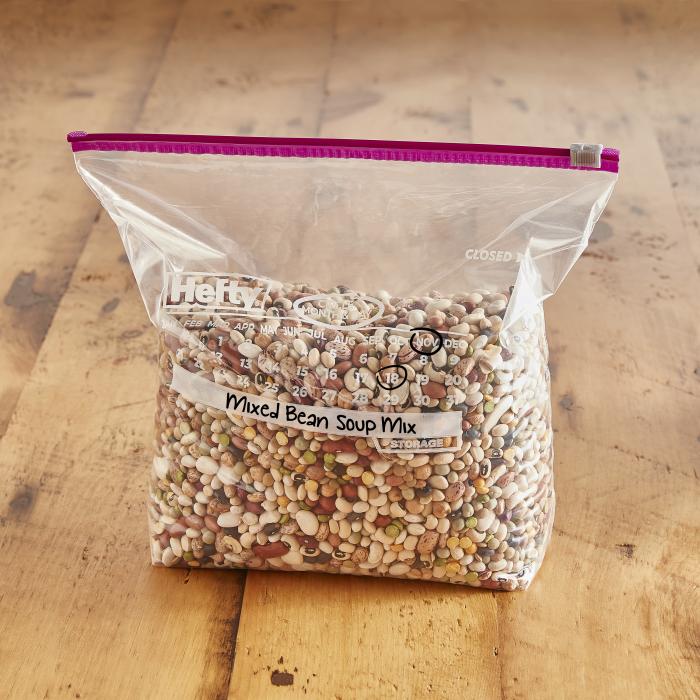
Grains and legumes like rice, pasta, and dried beans stay fresh longest when sealed up tight, and storage bags make it easy to keep your pantry organized while locking out air and moisture. Press out as much air as you can before sealing, then label each bag with the food name and date so you always know what’s on hand. Keep them stored in a cool, dark, dry place, and they’ll stay fresh and ready to use whenever you need them.

You'll need: 

bean soup mix in storage bag

Baking and pantry ingredients

Baking ingredients like flour, sugar, and baking soda stay fresh longer when sealed up tight, and storage bags make it easy to keep your pantry organized while keeping out air and moisture. Use a separate bag for each ingredient, squeeze out as much air as possible before sealing, and label with the name and date so you always know what’s on hand. Just be sure your measuring tools are completely dry before dipping into a bag, since any extra moisture can invite clumping or spoilage.

Should you freeze flour?

Yes, you can freeze flour—it’s actually a great way to extend its shelf life and keep pests from getting in. That said, you don’t have to go the freezer route. Storing flour in airtight gallon bags works just as well to lock out moisture and pests while keeping it fresh in the pantry.

Tip:

Add a slice of bread to your sealed bag of brown sugar to keep it soft.

Cookies and sweets

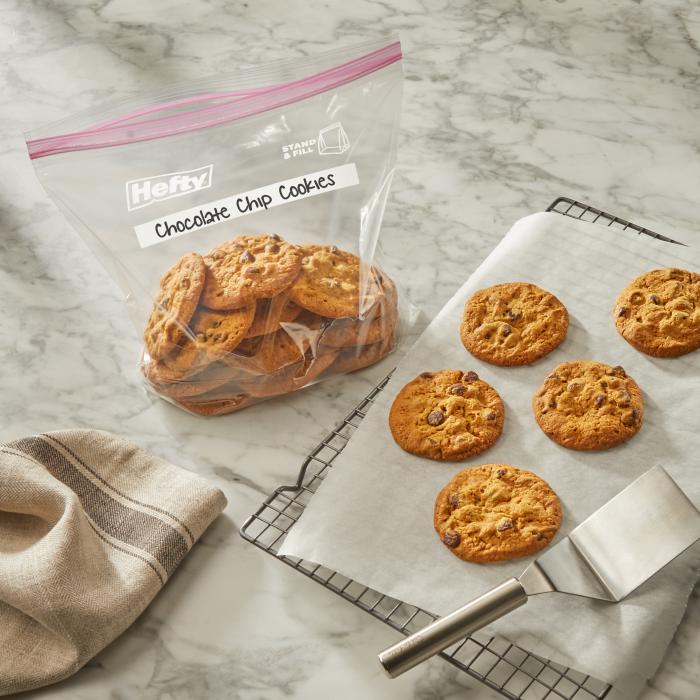
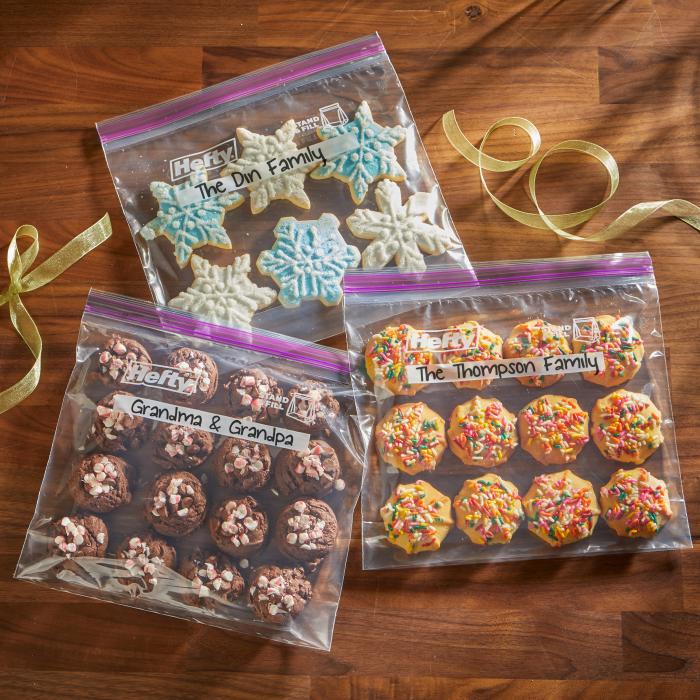
Cookies and candy do best right at room temperature, placed in an airtight food storage bag. Just press out as much air as you can before sealing to help keep them fresh longer. If you want to stretch their freshness even further, most cookies and candy freeze well too. Simply pop them in an airtight freezer bag with as much air removed as possible, and they’ll keep for up to about 3 months. Thaw them at room temperature before enjoying, and keep in mind softer or delicately coated candies may not hold up quite as well after freezing.

Should you refrigerate cookies?

No, refrigerating cookies isn’t usually recommended. It can dry them out or make them go stale faster. The exception is cookies with cream cheese, custard, or fresh fruit fillings, since those need to stay refrigerated to keep the filling safe and fresh.

Can you freeze cookies?

Freezing cookies is a great way to keep them fresh for the long haul. It helps preserve their texture and flavor for up to about 3 months. For the best results, flash-freeze them on a baking sheet first so they don’t stick together, then transfer them to a freezer bag once they’re solid.

cookies in storage bags

Ttip:

Add a piece of bread inside your cookie bag to keep cookies soft and fresh longer.

Leftovers

Before packing up leftovers, let them cool completely. This helps keep condensation from building up and affecting freshness once they’re sealed in an airtight container or bag for the fridge or freezer. Food storage bags are especially handy here. They make it easy to portion things out, label with the date, and grab exactly what you need for a quick reheat later.

Pet food

Pet food stays fresher longer when sealed up in airtight bags and stashed away in your pantry or closet. This is also a handy way to pre-portion meals or pack food for travel, so mealtime stays simple wherever you are. Just be sure to follow the manufacturer’s storage instructions on the packaging, since some pet foods have specific guidelines to keep them fresh and safe.

Resources:

1. Haley-Hadley, C. Proper Storage Key When It Comes to Fresh Fruits and Vegetables. University of Arkansas System, Division of Agriculture, Research & Extension. 

2. Steiman, A. (2025, May 1). 7 Easy Ways to Make Your Basil (and Other Herbs) Last So Much Longer. New York Times Cooking. 

3. Holland, K. (2025, October 3). This Is the Right Temperature for Your Refrigerator and Freezer. Real Simple. 

4. Heer, C. and Halladay, L. (2026, April 27). Food Preservation: Freezing Vegetables. Ohioline, Ohio State University Extension. 

5. Johnston, A. (Reviewed 2025). How to Freeze Fruit Safely. University of Minnesota Extension. 

6. Schmutz, P. and Hoyle, E.H. (2022, February 8). Storing Meats & Seafood. Clemson Cooperative Extension, Home & Garden Information Center. 

7. How to Store Cheese the Right Way. Wisconsin Cheese.